
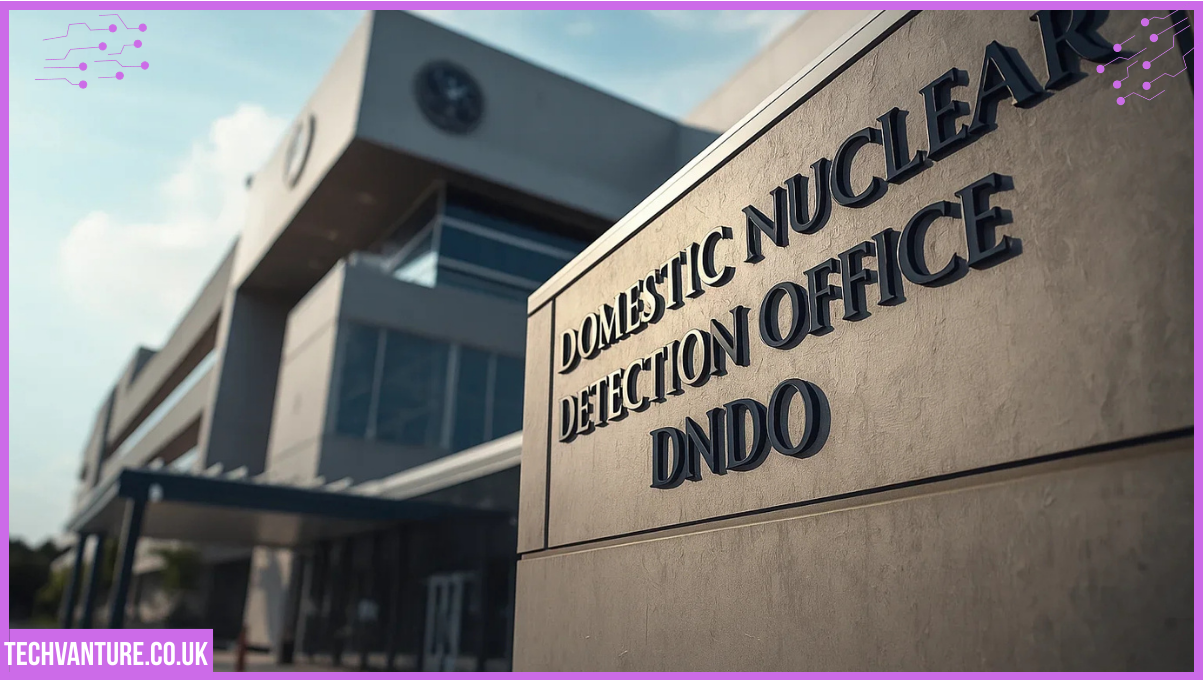
The domesticnulceardetectionoffice is the cornerstone of the United States’ defense against nuclear and radiological threats. Established to strengthen national security, the office focuses on detecting and preventing unauthorized nuclear materials from entering, moving within, or being used in the country. Over the past decades, the domesticnulceardetectionoffice has grown into a central hub for research, technology, and operational coordination, making the nation safer against evolving nuclear threats.
This comprehensive article explores the mission, structure, technologies, programs, achievements, challenges, and future of the domesticnulceardetectionoffice, along with answers to the ten most frequently asked questions about its operations.
What Is the Domesticnulceardetectionoffice?
The domesticnulceardetectionoffice is a federal office within the Department of Homeland Security that focuses exclusively on detecting and responding to nuclear and radiological threats. Its goal is to prevent nuclear terrorism by identifying unauthorized movement, storage, or possession of nuclear materials.
Unlike other agencies, the domesticnulceardetectionoffice serves as a coordinating body that integrates multiple federal, state, and local resources, ensuring a unified approach to nuclear threat detection.
Why Was the Domesticnulceardetectionoffice Created?
The early 2000s brought an increased risk of nuclear terrorism. Even small quantities of radioactive material could be catastrophic if used maliciously. The domesticnulceardetectionoffice was created to:
- Coordinate national nuclear detection efforts.
- Develop and deploy advanced detection technologies.
- Standardize training for first responders.
- Build a cohesive detection network spanning federal, state, and local agencies.
The creation of the domesticnulceardetectionoffice ensured that the United States had a dedicated focus on nuclear threat prevention.
Mission and Objectives of the Domesticnulceardetectionoffice
The domesticnulceardetectionoffice operates with a clear mission: strengthen the nation’s capability to detect and respond to nuclear threats. Its objectives include:
1. Develop an Integrated Detection Architecture
The domesticnulceardetectionoffice designs strategies to connect detection systems nationwide, ensuring no nuclear threat goes unnoticed.
2. Innovate Detection Technologies
Through research and development, the domesticnulceardetectionoffice creates advanced tools like handheld radiation detectors, mobile sensors, and analytical systems to detect nuclear threats accurately and efficiently.
3. Provide Training and Operational Support
By offering comprehensive training programs, the domesticnulceardetectionoffice ensures that law enforcement and emergency responders can effectively identify and respond to nuclear incidents.
4. Enable Information Sharing
Detection alone is not enough. The domesticnulceardetectionoffice establishes robust communication channels that allow rapid reporting, analysis, and coordination between agencies.
Core Functions of the Domesticnulceardetectionoffice
The domesticnulceardetectionoffice fulfills its mission through specialized functions:
Research, Development, Test, and Evaluation (RDT&E)
The domesticnulceardetectionoffice rigorously tests detection technologies to ensure reliability and reduce false alarms.
Deployment and Acquisition
Proven technologies are deployed at ports, airports, and transportation hubs. The domesticnulceardetectionoffice ensures effective nationwide coverage.
Training and Support
The domesticnulceardetectionoffice develops standardized programs so personnel at all levels know how to operate detection equipment and respond to threats.
Strategic Architecture and Coordination
The domesticnulceardetectionoffice leads the development of a comprehensive detection framework that integrates sensors, networks, and operational protocols.
How the Domesticnulceardetectionoffice Protects the Nation
The domesticnulceardetectionoffice strengthens security across multiple areas:
Border Security
Radiation detection systems scan cargo, vehicles, and individuals at entry points.
Urban Protection
Urban detection programs deploy sensors and trained personnel to protect cities from radiological threats.
Transportation Networks
The domesticnulceardetectionoffice implements detection protocols across airports, train stations, and transit systems.
First Responder Collaboration
Law enforcement and emergency teams receive training and operational guidance from the domesticnulceardetectionoffice, enabling coordinated responses to nuclear threats.
Achievements and Contributions of the Domesticnulceardetectionoffice
The domesticnulceardetectionoffice has made several significant contributions:
- Developed a unified national nuclear detection strategy.
- Standardized training for thousands of personnel.
- Advanced research and technology in nuclear detection.
- Strengthened coordination between agencies for rapid threat response.
These accomplishments highlight the vital role of the domesticnulceardetectionoffice in national security.
Challenges and Criticisms
Despite its successes, the domesticnulceardetectionoffice has faced challenges, including:
- Delays in technology development programs.
- Budgetary and resource allocation issues.
- Operational efficiency concerns regarding nationwide deployment.
The domesticnulceardetectionoffice continues to adapt, focusing on innovation, collaboration, and improving its detection capabilities.
10 Frequently Asked Questions (FAQs)
1. What is the domesticnulceardetectionoffice?
It is the federal office responsible for detecting and preventing nuclear and radiological threats in the U.S.
2. When was the domesticnulceardetectionoffice established?
It was created in 2005 under the Department of Homeland Security.
3. Is the domesticnulceardetectionoffice an independent agency?
No, it operates under DHS while coordinating with multiple federal, state, and local agencies.
4. What is the detection architecture of the domesticnulceardetectionoffice?
The office integrates sensors, networks, and operational protocols to create a unified system for threat detection.
5. How does the domesticnulceardetectionoffice work with local law enforcement?
It provides training, equipment standards, and operational guidance to local and state agencies.
6. What technologies does the domesticnulceardetectionoffice use?
Handheld detectors, portal monitors, sensor networks, and analytical systems for nuclear detection.
7. Has the domesticnulceardetectionoffice faced criticism?
Yes, mostly related to delays in programs and challenges in nationwide deployment.
8. Does the domesticnulceardetectionoffice respond directly to nuclear incidents?
It primarily detects and reports threats, coordinating with other agencies for response.
9. Where is the domesticnulceardetectionoffice located?
It is headquartered within the Department of Homeland Security.
10. What is the future of the domesticnulceardetectionoffice?
Focus areas include AI-assisted threat analysis, advanced detectors, and enhanced interagency collaboration.
Conclusion
The domesticnulceardetectionoffice is a critical element of the United States’ defense strategy against nuclear and radiological threats. By combining technology, strategy, training, and coordination, the domesticnulceardetectionoffice ensures that threats are detected quickly and neutralized efficiently. Its ongoing research and innovation continue to strengthen national security and prepare the nation for future challenges.
The domesticnulceardetectionoffice stands as a testament to the importance of specialized federal coordination in safeguarding citizens from some of the most dangerous modern threats. Understanding its mission, capabilities, and achievements highlights the essential role this office plays in protecting the country and maintaining public safety.
You May Also Read
