
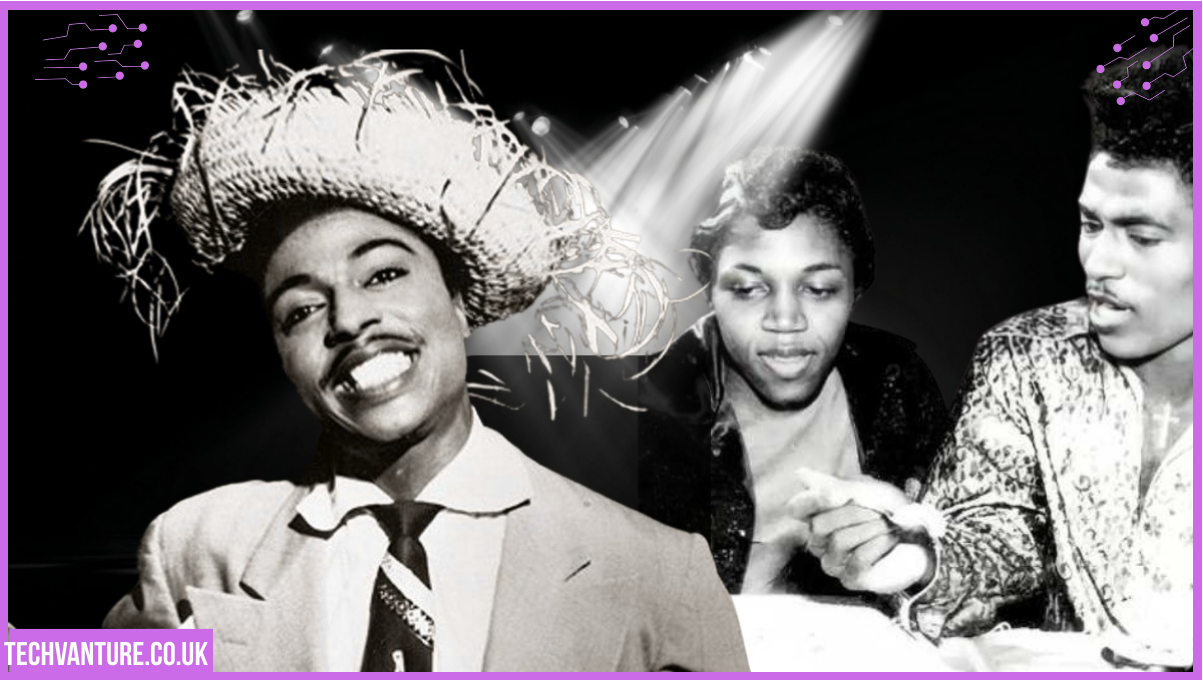
When people think of rock & roll icons, names like Little Richard, Elvis Presley, or Chuck Berry come to mind. But behind every great legend is a story of the people who shaped their lives away from the stage. One of those people is Ernestine Harvin, a woman whose life intersected with history in ways many don’t know. While she never sought fame herself, her influence, resilience, and presence during one of rock & roll’s most chaotic eras made her story worth telling.
Early Life: A Private Beginning
Ernestine Harvin was born in the United States, though details about her early years remain private. Unlike many figures connected to the entertainment world, she did not grow up seeking attention. She valued a life of routine, privacy, and stability — traits that would later define her approach to relationships and personal decisions.
Before meeting any famous musician, Ernestine built a life centered on responsibility and discipline. She worked as a secretary, a role that showcased her strong work ethic and ability to navigate structured environments. Her upbringing, shaped by family values and possibly moving due to work or military ties, gave her resilience and adaptability — qualities that would later help her handle the unpredictable world of rock & roll.
Despite her quiet upbringing, Ernestine possessed a strong character. She preferred to maintain her personal space, a choice that would later allow her to engage with a world of fame without losing herself in it.
Meeting Little Richard: A Life-Changing Encounter
Ernestine Harvin’s life took a dramatic turn when she met Little Richard, whose real name was Richard Wayne Penniman. The encounter happened at an evangelical rally, where Richard was performing. At that time, Richard was rapidly rising as a rock & roll icon, known for his electrifying energy, bold style, and groundbreaking influence on music. Their meeting was unexpected — a private, grounded woman crossing paths with a flamboyant music star — but it marked the beginning of a significant chapter for both.
Their relationship blossomed quickly, and in 1959, Ernestine and Richard married in California. This union drew attention not because Ernestine sought the spotlight, but because of Richard’s fame. While she became part of a rock & roll story, she did so on her own terms, offering balance and support to a life dominated by the stage and public appearances.
The marriage reflected both companionship and shared values. While Richard’s career involved constant touring and the pressures of celebrity, Ernestine provided stability and guidance, grounding him in ways few others could. Their life together became a blend of personal devotion and the challenges of navigating fame.
Marriage and Challenges: Navigating Life with a Legend
Being married to one of rock & roll’s most dynamic figures was not without its difficulties. Ernestine and Richard’s marriage lasted several years and was marked by both devotion and tension. Little Richard was known for his struggles with personal identity, spirituality, and sexuality, issues that complicated his relationships. For Ernestine, supporting him meant embracing both the highs of his fame and the lows of his private struggles.
During their marriage, they made a notable decision to adopt a child named Danny Jones, providing a loving home to a young boy from their community. This act demonstrated the couple’s shared compassion and desire to create a family despite unconventional circumstances. Their family life, though short-lived, reflected values of care, stability, and responsibility.
Ultimately, the pressures of fame and differing priorities led to the dissolution of their marriage in 1964. However, the years they shared were formative, both for Richard’s career and for Ernestine’s personal growth. She managed to maintain her dignity and strength throughout, showing resilience in the face of public scrutiny and private challenges.
Life After Divorce: Choosing Privacy
After her divorce, Ernestine Harvin returned to a life of privacy. Unlike many former spouses of famous individuals who pursued public attention, she deliberately avoided the spotlight. Her focus shifted to family, personal stability, and creating a life defined by her own terms rather than public expectations.
In 1975, she remarried, choosing a partner outside the entertainment world. This marriage, unlike her first, remained largely private, highlighting her desire to live quietly and intentionally. Over the years, Ernestine demonstrated that personal fulfillment does not require fame — that a life lived with dignity, love, and discretion can be just as meaningful.
Her post-divorce life shows the importance of resilience and self-determination. She was able to move forward after a high-profile relationship without losing her sense of self, remaining grounded despite the unusual circumstances of her past.
Legacy: Strength Behind the Spotlight
Ernestine Harvin’s life reminds us that not all influential figures make headlines. Her role in Little Richard’s life, especially during a transformative period of his career, left a subtle but undeniable mark. She provided stability, love, and guidance — qualities that helped anchor one of music’s most energetic and unpredictable figures.
Her legacy is defined not by fame, but by quiet strength. In a world fascinated by public recognition, Ernestine’s story is a testament to the power of resilience, integrity, and personal choice. She demonstrates that influence can exist behind the scenes and that one does not need to be in the spotlight to shape history.
Even though many details of her life remain private, Ernestine Harvin serves as an example of grace and strength. Her story enriches our understanding of the human side of iconic figures, offering perspective on the unsung partners who make extraordinary lives possible.
Conclusion
Ernestine Harvin lived a life of contrasts: deeply private yet closely connected to rock & roll history, understated yet profoundly influential. She balanced personal integrity with the challenges of loving someone in the glare of fame, all while remaining committed to her values. Her story, largely untold until now, demonstrates that courage, resilience, and dignity often thrive in the spaces where the public cannot see.
By exploring the life of Ernestine Harvin, we gain insight into the quieter forces behind iconic figures — the people whose presence, support, and choices shape not only individual lives but also cultural history. She may not have sought fame, but her influence continues to resonate in the life of a legend and in the lessons her story imparts.
