
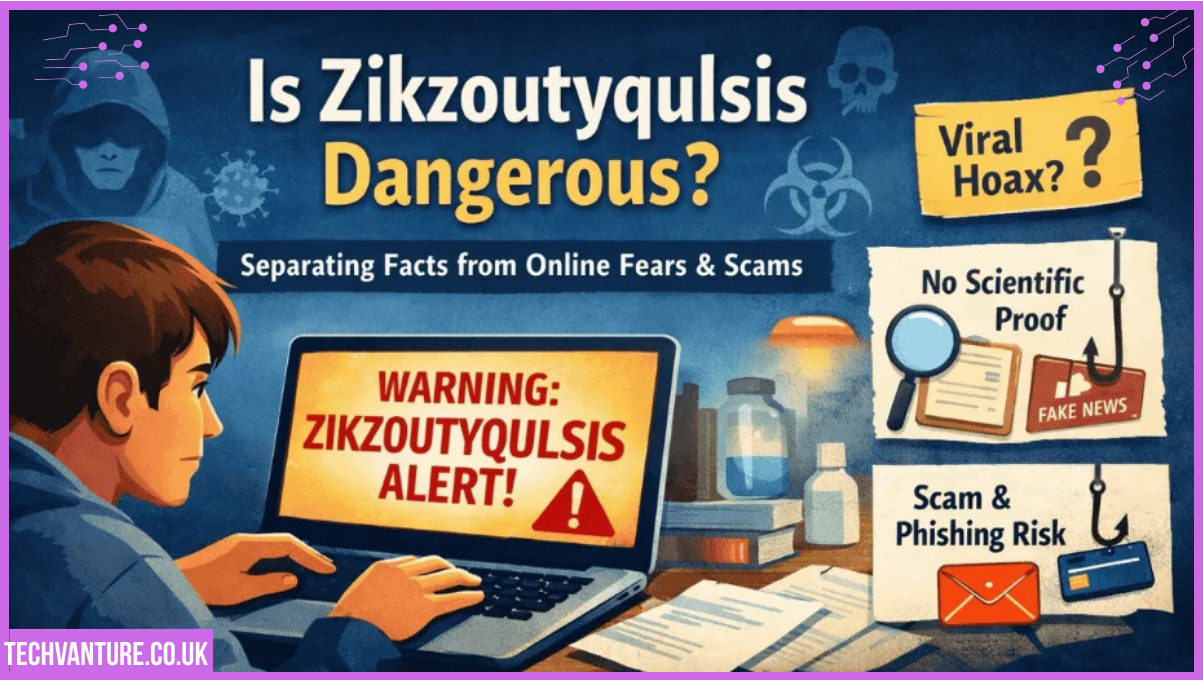
In the age of the internet, strange and unusual terms often go viral fast. One such term that’s been causing curiosity — and a fair amount of confusion — is “Zikzoutyqulsis.” You might have stumbled across this word in a forum, social media thread, or a warning post saying it’s dangerous. But what does it really mean? And more importantly — is it actually dangerous? Let’s break it down in understandable, expert‑styled language without sounding too technical.
1. What Exactly Is Zikzoutyqulsis? Separating Fact From Fiction
At the heart of this question lies one surprising truth:
There’s no officially recognized definition of “Zikzoutyqulsis.” It isn’t listed in scientific databases, medical dictionaries, tech reference sites, or regulatory agency reports. There’s no consensus on it being a virus, chemical compound, software tool, or health phenomenon. In short, it’s not something that exists in mainstream reference materials.
Some communities online have assigned different meanings to it — from talking about it as an obscure tech tool, to labeling it a cryptic symptom or a strange wellness supplement. However, none of these interpretations are backed by verified sources. Its origins seem rooted more in internet rumor, meme culture, or speculative posts rather than documented evidence.
This uncertainty is precisely what makes Zikzoutyqulsis so confusing and why so many people are asking: Is it dangerous?
2. Why People Associate It With Danger
When people encounter mysterious terms like Zikzoutyqulsis, especially ones that sound scientific or unfamiliar, fear can kick in fast. Here’s why many associate it with danger:
a) Lack of Clear Information
Whenever something sounds technical but has no legitimate documentation, alarm bells go off. This is common with crypto‑scientific jargon or pseudo‑medical terms circulating online. Humans are naturally wired to treat uncertainty with caution.
b) Spread Through Social Media and Forums
Online platforms are notorious for amplifying claims — regardless of whether they are true or not. A single post about Zikzoutyqulsis being risky can be shared thousands of times without any fact‑checking, creating an echo chamber of fear and speculation.
c) Fear of the Unknown
Psychologically, unfamiliar terms trigger an instinctive worry response. When people have no context, they tend to assume the worst — especially related to health or cybersecurity. That’s why many users jump to the conclusion that Zikzoutyqulsis must be harmful.
The internet, unfortunately, thrives on mystery. Strange words paired with fear-based doomsday warnings always attract attention — even if there’s no legitimate threat.
3. Is Zikzoutyqulsis Dangerous to Your Computer or Devices?
So let’s be clear: Zikzoutyqulsis itself is not a known virus, malware, or cyber threat. There are no cybersecurity agencies that list it as a harmful program, and no mainstream antivirus companies flag it as dangerous.
However, there is still a practical point to make:
a) Unverified Links and Downloads
While Zikzoutyqulsis isn’t a known threat in itself, scammers sometimes use made‑up or unusual names to disguise malicious links or downloads. These could include phishing websites, malware installers, or fake alerts designed to trick you into clicking — and that can certainly be dangerous.
Anyone could build a site with “Zikzoutyqulsis” in the URL claiming you need to install a fix or scan your device. This is a classic social engineering tactic. Clicking such links without verifying the source can lead to malware infections, data theft, or unauthorized access.
b) Browser Pop‑ups and Fake Alerts
Sometimes, scam pages might show alarming pop‑ups like “Your device is infected with Zikzoutyqulsis virus!” These are designed to make people download bogus security software or provide personal details. Again — Zikzoutyqulsis isn’t a recognized threat, but the way it’s used in scams can absolutely pose a risk.
So while the name itself isn’t dangerous, the contexts it appears in might be. The danger doesn’t lie in the word — it lies in how it is used by cybercriminals.
4. Is Zikzoutyqulsis Harmful to People’s Health?
This is another place where a lot of misinformation has spread online — especially in wellness and supplement communities.
a) No Scientific or Medical Evidence
There are no peer‑reviewed studies, medical reports, or clinical trials mentioning Zikzoutyqulsis as a health risk, pathogen, or biological agent. Mainstream health bodies like the World Health Organization or CDC do not recognize it.
This means there’s no confirmed evidence that Zikzoutyqulsis causes health issues or any physical harm to people.
b) Possible Misuse in Supplement Marketing
However, there are reports of some products being marketed under the name “Zikzoutyqulsis” without clear ingredient lists or regulatory approval. This does raise red flags. Products sold under mysterious names that lack transparency or approved documentation should always be treated with caution.
Some of these products might be legitimate wellness supplements, while others might be dishonest attempts to profit off curiosity and hype. Always be skeptical of any supplement claiming dramatic benefits without clinical evidence.
5. How to Stay Safe in a World of Online Misinformation
You don’t need to panic about Zikzoutyqulsis — but you do need to be smart about how you interact with anything unknown online. Here are some expert tips:
a) Don’t Click Random Links
If you see a page or message with “Zikzoutyqulsis” urging you to click or download something — pause. Look for official sources or trusted cybersecurity sites before interacting.
b) Use Trusted Antivirus Protection
A reputable antivirus tool can identify real threats — regardless of the names scammy sites use. This protects you from fake installers or malicious code hidden behind strange words.
c) Educate Yourself About Scams
Understanding how phishing, fake alerts, and social engineering work will make you less likely to fall for them. Strange names are often bait — not legitimate tech.
d) Check for Official Information
Before believing any scary claim online, search for reliable sources. If there’s no mention of a threat in trusted health or cybersecurity databases, that’s a powerful clue it might not be a real danger.
Conclusion: Is Zikzoutyqulsis Dangerous? A Balanced Verdict
Here’s the final take:
✅ Zikzoutyqulsis as a term isn’t a known virus, biological agent, or recognized threat. There’s no scientific or cybersecurity body that classifies it as dangerous.
⚠️ However, scammers and malicious actors may exploit the name to create fake threats, misleading links, and phishing attempts. That can be dangerous.
⚠️ Products or supplements sold under this name without regulation or transparent ingredients are also risky.
