
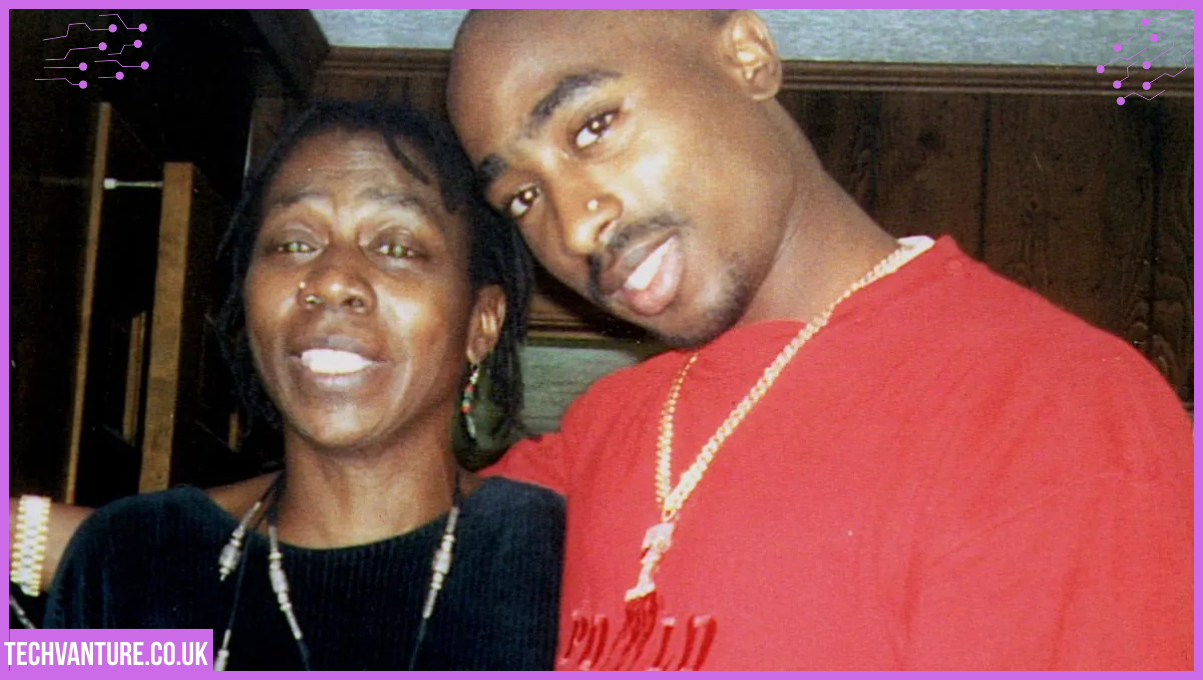
The name Sekyiwa Shakur carries a powerful legacy. Often recognized as the sister of legendary rapper Tupac Shakur, she has created her own path as an activist, advocate, and cultural guardian. While she may not always be in the public eye, Sekyiwa Shakur has spent years ensuring that her family’s contributions are honored and that the values they stood for continue to inspire future generations.
Early Life and Family Background of Sekyiwa Shakur
Sekyiwa Shakur was born into a family deeply rooted in activism and artistic expression. Her mother, Afeni Shakur, was a prominent figure in social justice movements, while her father, Mutulu Shakur, was committed to revolutionary causes. Growing up in this environment, Sekyiwa Shakur witnessed both the struggles and triumphs of a family dedicated to making a difference.
As the younger sister of Tupac Shakur, she experienced both the challenges and privileges of being in a family in the public eye. Despite hardships, including financial struggles and social instability, Sekyiwa Shakur developed resilience and a commitment to her community. Her childhood experiences instilled a deep understanding of the importance of empowerment, education, and cultural awareness.
Her bond with Tupac was particularly influential. They shared a strong connection based on love, creativity, and mutual respect. This bond helped shape Sekyiwa Shakur’s sense of responsibility toward preserving her brother’s legacy while also forging her own identity.
Leadership in the Tupac Amaru Shakur Foundation
After Tupac’s tragic death, Sekyiwa Shakur took an active role in the Tupac Amaru Shakur Foundation, the nonprofit her mother founded. Over time, she became President and Acting CEO, guiding the foundation with a vision that extended beyond simply honoring her brother.
Under her leadership, Sekyiwa Shakur expanded the foundation’s mission to include programs focused on youth empowerment, mental health, creative arts, and community development. She believes that helping young people navigate challenges is a revolutionary act, especially in underserved communities.
Through mentorship programs, educational workshops, and arts initiatives, Sekyiwa Shakur has directly impacted countless young lives. Her leadership reflects a unique combination of compassion, strategic thinking, and dedication to systemic change, making her a formidable advocate in her own right.
Advocacy and Personal Strength
Sekyiwa Shakur is not just a foundation leader; she is also a passionate advocate for mental health and social justice. Drawing from personal experiences with grief and loss, she works to break the stigma around mental health in communities that often lack support.
Her advocacy extends to justice reform. Like her parents and brother, Sekyiwa Shakur emphasizes the need to address systemic inequality and advocate for restorative justice. She believes that cultural preservation and social activism are inseparable, and she continues to amplify these causes through her work.
Furthermore, Sekyiwa Shakur champions educational initiatives around her brother’s artistic contributions. By promoting workshops, discussions, and programs centered on Tupac’s poetry and philosophy, she ensures that his messages of resilience and empowerment remain accessible to new generations.
Challenges in Protecting a Legacy
Leading a foundation tied to a global icon has not been without challenges. Sekyiwa Shakur has navigated legal disputes, estate management issues, and public scrutiny while protecting her family’s assets and intellectual property. These challenges highlight the complex intersection of culture, commerce, and family legacy.
Despite these obstacles, Sekyiwa Shakur remains committed to transparency and authenticity. She continues to ensure that Tupac’s memory is honored with integrity, showing resilience in the face of difficult circumstances. Her perseverance demonstrates that protecting a legacy is as much about values and ethics as it is about property or fame.
Through these experiences, Sekyiwa Shakur exemplifies courage and determination. She proves that preserving a cultural legacy requires both careful stewardship and a commitment to the principles that defined the individual being honored.
Sekyiwa Shakur’s Impact and Vision
The life of Sekyiwa Shakur goes beyond her connection to Tupac. She is a leader, mentor, and advocate who has used her platform to empower communities, foster creative expression, and champion social justice.
Her story illustrates how personal loss can be transformed into meaningful action. Sekyiwa Shakur chose to step forward rather than retreat, building programs and initiatives that address systemic challenges and inspire youth. She demonstrates that legacy is not just about remembrance—it is about actively creating opportunities for growth and empowerment.
By balancing cultural preservation with activism, Sekyiwa Shakur ensures that the values of resilience, creativity, and social responsibility continue to shape the next generation. Her life is a testament to the enduring power of family, purpose, and community.
Conclusion
Sekyiwa Shakur is a powerful example of how legacy can be lived, not just remembered. Through her leadership, advocacy, and commitment to social justice, she continues to honor her family while expanding their impact.
Her work reminds us that true influence is measured by the positive change we create for others. Sekyiwa Shakur has turned grief into action, passion into programs, and memory into movement. In doing so, she ensures that the Shakur legacy remains vibrant, meaningful, and transformative for generations to come.
You May Also Read
Who Is the Mother of Kid Rock’s Son
