
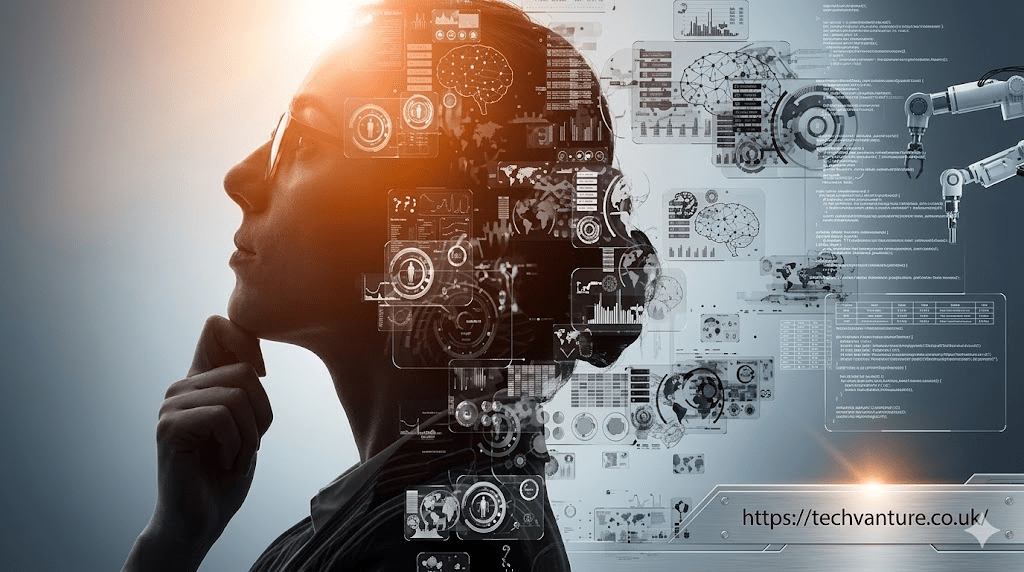
Info Tech, short for Information Technology, has become a vital part of daily life. From smartphones and laptops to cloud computing and artificial intelligence, Info Tech powers almost everything around us. Businesses use technology to improve productivity, schools rely on digital learning tools, and healthcare providers use advanced systems to deliver better patient care.
Over the years, Info Tech has transformed the way people communicate, work, learn, and shop. Whether you are sending emails, making online payments, storing files in the cloud, or attending virtual meetings, you are using information technology. As technology continues to evolve, understanding Info Tech becomes more important for students, professionals, and business owners. This guide explains everything you need to know about Info Tech, including its benefits, applications, career opportunities, emerging trends, and future developments.
Table of Contents
Info Tech at a Glance
| Aspect | Details |
| Full Form | Information Technology |
| Primary Purpose | Managing, storing, processing, and transmitting data |
| Main Components | Hardware, Software, Networks, Databases, Security |
| Common Uses | Communication, Business Operations, Education, Healthcare |
| Key Technologies | Cloud Computing, AI, Cybersecurity, Big Data |
| Career Scope | Excellent and rapidly growing |
| Industry Demand | Very High Worldwide |
| Future Outlook | Strong growth and innovation |
What Is Info Tech?
Info Tech refers to the use of computers, software, networks, and digital systems to manage and process information. It covers a wide range of technologies that help individuals and organizations store, retrieve, share, and secure data. Information technology serves as the backbone of modern businesses and institutions.
The field includes everything from computer programming and network administration to cybersecurity and cloud infrastructure. Organizations depend on Info Tech systems to handle customer information, streamline workflows, and support decision-making. Without reliable technology systems, many businesses would struggle to operate efficiently in today’s digital environment.
Why Is Info Tech Important?
Info Tech plays a crucial role in modern society because it enables fast communication, efficient operations, and data-driven decision-making. Companies use technology to automate tasks, reduce costs, and improve customer experiences. Schools use digital tools to enhance learning, while governments rely on information systems to manage public services.
Technology also supports innovation. Businesses can develop new products, reach global audiences, and analyze market trends through advanced digital tools. As organizations become more dependent on technology, the importance of Info Tech continues to grow across every industry.
Core Components of Info Tech
Several key components work together to create effective information technology systems. Hardware includes computers, servers, storage devices, and networking equipment. Software consists of operating systems, applications, and business tools that perform specific tasks.
Networks connect devices and allow data to move between locations. Databases store and organize information for easy access. Cybersecurity protects systems from threats and unauthorized access. Together, these components form the foundation of modern Info Tech infrastructure.
How Businesses Use Info Tech
Businesses rely heavily on Info Tech to improve efficiency and competitiveness. Customer relationship management systems help companies manage interactions with clients. Enterprise software supports accounting, inventory management, and human resources operations.
Cloud computing enables employees to access data from anywhere. Communication platforms facilitate collaboration among teams working remotely. Through business intelligence tools, organizations can analyze data and make informed decisions. These technologies help businesses remain agile and productive in a rapidly changing market.
Info Tech in Education
The education sector has experienced major improvements through information technology. Online learning platforms allow students to access lessons from any location. Digital classrooms support interactive learning experiences through videos, presentations, and virtual collaboration tools.
Teachers can track student progress more effectively using educational software. Schools use management systems to organize records and communicate with parents. As educational institutions continue adopting digital solutions, Info Tech is helping create more flexible and accessible learning environments.
Info Tech in Healthcare
Healthcare organizations use Info Tech to improve patient care and operational efficiency. Electronic health records allow medical professionals to access patient information quickly and accurately. Telemedicine enables doctors to consult with patients remotely.
Advanced diagnostic systems use technology to identify medical conditions more effectively. Healthcare analytics help providers improve treatment outcomes and manage resources efficiently. Information technology continues to play a significant role in transforming healthcare services worldwide.
Cybersecurity and Info Tech
Cybersecurity is one of the most important areas within Info Tech. As organizations store more data online, protecting information becomes essential. Cybersecurity measures help prevent data breaches, malware attacks, and unauthorized access.
Businesses implement firewalls, encryption, multi-factor authentication, and security monitoring systems to safeguard their digital assets. Employees also receive security training to reduce risks. Strong cybersecurity practices help maintain trust, protect sensitive information, and ensure business continuity.
Cloud Computing and Info Tech
Cloud computing has revolutionized the Info Tech industry. Instead of storing data on local devices, organizations can use cloud services to access computing resources over the internet. This approach provides flexibility, scalability, and cost savings.
Cloud platforms support data storage, application hosting, backup services, and collaboration tools. Businesses can quickly adapt to changing needs without investing heavily in physical infrastructure. As cloud adoption continues to rise, it remains one of the most influential technologies in the Info Tech sector.
Artificial Intelligence in Info Tech
Artificial intelligence is reshaping the future of Info Tech. AI systems can analyze large amounts of data, automate repetitive tasks, and provide valuable insights. Businesses use AI-powered tools for customer support, predictive analytics, and process automation.
Machine learning, a branch of AI, helps systems improve performance over time. Organizations leverage these technologies to increase efficiency and enhance decision-making. As AI capabilities expand, its impact on information technology will continue to grow significantly.
Career Opportunities in Info Tech
The Info Tech industry offers a wide range of career opportunities for individuals with different skills and interests. Popular roles include software developer, network administrator, cybersecurity analyst, data scientist, cloud engineer, and IT support specialist.
Many technology careers provide competitive salaries and strong job security. Professionals can specialize in areas such as software development, database management, artificial intelligence, or cybersecurity. Continuous learning and skill development are important for long-term success in this rapidly evolving field.
Skills Needed for Success in Info Tech
Success in Info Tech requires both technical and soft skills. Technical skills may include programming, networking, database management, cloud computing, and cybersecurity knowledge. Familiarity with emerging technologies can also provide a competitive advantage.
Soft skills are equally important. Problem-solving, communication, teamwork, and adaptability help professionals work effectively in technology-driven environments. Employers often seek candidates who can combine technical expertise with strong interpersonal abilities.
Emerging Trends in Info Tech
Several emerging trends are shaping the future of information technology. Artificial intelligence, machine learning, edge computing, blockchain technology, and the Internet of Things continue to gain momentum. These innovations are creating new opportunities for businesses and consumers alike.
Automation is streamlining operations across industries, while advanced analytics support data-driven strategies. Organizations that embrace these trends can improve efficiency, reduce costs, and enhance customer experiences. Staying informed about technological developments is essential for long-term success.
Benefits of Info Tech
Info Tech provides numerous benefits for individuals and organizations. It improves communication, increases productivity, and supports innovation. Businesses can automate repetitive tasks, reduce operational costs, and access valuable insights through data analysis.
Technology also enables remote work, online education, and digital healthcare services. Enhanced connectivity allows people to collaborate across geographic boundaries. These advantages make information technology an essential component of modern life and economic growth.
The Future of Info Tech
The future of Info Tech looks promising as technological innovation continues to accelerate. Advances in artificial intelligence, quantum computing, cybersecurity, and cloud infrastructure are expected to drive significant transformation across industries.
Organizations will increasingly rely on digital solutions to remain competitive and meet evolving customer expectations. Professionals who develop relevant technology skills will be well-positioned for future opportunities. As society becomes more connected, Info Tech will continue to shape the way people live and work.
Frequently Asked Questions
1. What does Info Tech mean?
Info Tech stands for Information Technology, which involves using computers, software, networks, and systems to manage and process information.
2. Why is Info Tech important?
Info Tech improves communication, productivity, data management, and decision-making across businesses, education, healthcare, and other sectors.
3. What careers are available in Info Tech?
Popular careers include software developer, cybersecurity analyst, cloud engineer, data scientist, IT manager, and network administrator.
4. What skills are needed for Info Tech jobs?
Programming, networking, cybersecurity, cloud computing, problem-solving, communication, and teamwork are valuable skills.
5. How does cloud computing relate to Info Tech?
Cloud computing provides online access to storage, applications, and computing resources, making technology systems more flexible and scalable.
6. What is the future of Info Tech?
The future includes advancements in AI, machine learning, cybersecurity, quantum computing, automation, and smart technologies.
Conclusion
Info Tech continues to transform every aspect of modern life. From business operations and education to healthcare and communication, information technology drives innovation and efficiency across industries. Understanding how Info Tech works helps individuals and organizations take advantage of new opportunities in the digital world.
As technology evolves, staying informed about emerging trends and developing relevant skills becomes increasingly important. Whether you are a student exploring career options, a professional seeking growth, or a business owner looking to improve operations, investing time in understanding Info Tech can provide significant long-term benefits. The future is digital, and information technology will remain at the center of that transformationInfo Tech, short for Information Technology, has become a vital part of daily life. From smartphones and laptops to cloud computing and artificial intelligence, Info Tech powers almost everything around us. Businesses use technology to improve productivity, schools rely on digital learning tools, and healthcare providers use advanced systems to deliver better patient care.
Over the years, Info Tech has transformed the way people communicate, work, learn, and shop. Whether you are sending emails, making online payments, storing files in the cloud, or attending virtual meetings, you are using information technology. As technology continues to evolve, understanding Info Tech becomes more important for students, professionals, and business owners. This guide explains everything you need to know about Info Tech, including its benefits, applications, career opportunities, emerging trends, and future developments.
Info Tech at a Glance
| Aspect | Details |
| Full Form | Information Technology |
| Primary Purpose | Managing, storing, processing, and transmitting data |
| Main Components | Hardware, Software, Networks, Databases, Security |
| Common Uses | Communication, Business Operations, Education, Healthcare |
| Key Technologies | Cloud Computing, AI, Cybersecurity, Big Data |
| Career Scope | Excellent and rapidly growing |
| Industry Demand | Very High Worldwide |
| Future Outlook | Strong growth and innovation |
What Is Info Tech?
Info Tech refers to the use of computers, software, networks, and digital systems to manage and process information. It covers a wide range of technologies that help individuals and organizations store, retrieve, share, and secure data. Information technology serves as the backbone of modern businesses and institutions.
The field includes everything from computer programming and network administration to cybersecurity and cloud infrastructure. Organizations depend on Info Tech systems to handle customer information, streamline workflows, and support decision-making. Without reliable technology systems, many businesses would struggle to operate efficiently in today’s digital environment.
Why Is Info Tech Important?
Info Tech plays a crucial role in modern society because it enables fast communication, efficient operations, and data-driven decision-making. Companies use technology to automate tasks, reduce costs, and improve customer experiences. Schools use digital tools to enhance learning, while governments rely on information systems to manage public services.
Technology also supports innovation. Businesses can develop new products, reach global audiences, and analyze market trends through advanced digital tools. As organizations become more dependent on technology, the importance of Info Tech continues to grow across every industry.
Core Components of Info Tech
Several key components work together to create effective information technology systems. Hardware includes computers, servers, storage devices, and networking equipment. Software consists of operating systems, applications, and business tools that perform specific tasks.
Networks connect devices and allow data to move between locations. Databases store and organize information for easy access. Cybersecurity protects systems from threats and unauthorized access. Together, these components form the foundation of modern Info Tech infrastructure.
How Businesses Use Info Tech
Businesses rely heavily on Info Tech to improve efficiency and competitiveness. Customer relationship management systems help companies manage interactions with clients. Enterprise software supports accounting, inventory management, and human resources operations.
Cloud computing enables employees to access data from anywhere. Communication platforms facilitate collaboration among teams working remotely. Through business intelligence tools, organizations can analyze data and make informed decisions. These technologies help businesses remain agile and productive in a rapidly changing market.
Info Tech in Education
The education sector has experienced major improvements through information technology. Online learning platforms allow students to access lessons from any location. Digital classrooms support interactive learning experiences through videos, presentations, and virtual collaboration tools.
Teachers can track student progress more effectively using educational software. Schools use management systems to organize records and communicate with parents. As educational institutions continue adopting digital solutions, Info Tech is helping create more flexible and accessible learning environments.
Info Tech in Healthcare
Healthcare organizations use Info Tech to improve patient care and operational efficiency. Electronic health records allow medical professionals to access patient information quickly and accurately. Telemedicine enables doctors to consult with patients remotely.
Advanced diagnostic systems use technology to identify medical conditions more effectively. Healthcare analytics help providers improve treatment outcomes and manage resources efficiently. Information technology continues to play a significant role in transforming healthcare services worldwide.
Cybersecurity and Info Tech
Cybersecurity is one of the most important areas within Info Tech. As organizations store more data online, protecting information becomes essential. Cybersecurity measures help prevent data breaches, malware attacks, and unauthorized access.
Businesses implement firewalls, encryption, multi-factor authentication, and security monitoring systems to safeguard their digital assets. Employees also receive security training to reduce risks. Strong cybersecurity practices help maintain trust, protect sensitive information, and ensure business continuity.
Cloud Computing and Info Tech
Cloud computing has revolutionized the Info Tech industry. Instead of storing data on local devices, organizations can use cloud services to access computing resources over the internet. This approach provides flexibility, scalability, and cost savings.
Cloud platforms support data storage, application hosting, backup services, and collaboration tools. Businesses can quickly adapt to changing needs without investing heavily in physical infrastructure. As cloud adoption continues to rise, it remains one of the most influential technologies in the Info Tech sector.
Artificial Intelligence in Info Tech
Artificial intelligence is reshaping the future of Info Tech. AI systems can analyze large amounts of data, automate repetitive tasks, and provide valuable insights. Businesses use AI-powered tools for customer support, predictive analytics, and process automation.
Machine learning, a branch of AI, helps systems improve performance over time. Organizations leverage these technologies to increase efficiency and enhance decision-making. As AI capabilities expand, its impact on information technology will continue to grow significantly.
Career Opportunities in Info Tech
The Info Tech industry offers a wide range of career opportunities for individuals with different skills and interests. Popular roles include software developer, network administrator, cybersecurity analyst, data scientist, cloud engineer, and IT support specialist.
Many technology careers provide competitive salaries and strong job security. Professionals can specialize in areas such as software development, database management, artificial intelligence, or cybersecurity. Continuous learning and skill development are important for long-term success in this rapidly evolving field.
Skills Needed for Success in Info Tech
Success in Info Tech requires both technical and soft skills. Technical skills may include programming, networking, database management, cloud computing, and cybersecurity knowledge. Familiarity with emerging technologies can also provide a competitive advantage.
Soft skills are equally important. Problem-solving, communication, teamwork, and adaptability help professionals work effectively in technology-driven environments. Employers often seek candidates who can combine technical expertise with strong interpersonal abilities.
Emerging Trends in Info Tech
Several emerging trends are shaping the future of information technology. Artificial intelligence, machine learning, edge computing, blockchain technology, and the Internet of Things continue to gain momentum. These innovations are creating new opportunities for businesses and consumers alike.
Automation is streamlining operations across industries, while advanced analytics support data-driven strategies. Organizations that embrace these trends can improve efficiency, reduce costs, and enhance customer experiences. Staying informed about technological developments is essential for long-term success.
Benefits of Info Tech
Info Tech provides numerous benefits for individuals and organizations. It improves communication, increases productivity, and supports innovation. Businesses can automate repetitive tasks, reduce operational costs, and access valuable insights through data analysis.
Technology also enables remote work, online education, and digital healthcare services. Enhanced connectivity allows people to collaborate across geographic boundaries. These advantages make information technology an essential component of modern life and economic growth.
The Future of Info Tech
The future of Info Tech looks promising as technological innovation continues to accelerate. Advances in artificial intelligence, quantum computing, cybersecurity, and cloud infrastructure are expected to drive significant transformation across industries.
Organizations will increasingly rely on digital solutions to remain competitive and meet evolving customer expectations. Professionals who develop relevant technology skills will be well-positioned for future opportunities. As society becomes more connected, Info Tech will continue to shape the way people live and work.
Frequently Asked Questions
1. What does Info Tech mean?
Info Tech stands for Information Technology, which involves using computers, software, networks, and systems to manage and process information.
2. Why is Info Tech important?
Info Tech improves communication, productivity, data management, and decision-making across businesses, education, healthcare, and other sectors.
3. What careers are available in Info Tech?
Popular careers include software developer, cybersecurity analyst, cloud engineer, data scientist, IT manager, and network administrator.
4. What skills are needed for Info Tech jobs?
Programming, networking, cybersecurity, cloud computing, problem-solving, communication, and teamwork are valuable skills.
5. How does cloud computing relate to Info Tech?
Cloud computing provides online access to storage, applications, and computing resources, making technology systems more flexible and scalable.
6. What is the future of Info Tech?
The future includes advancements in AI, machine learning, cybersecurity, quantum computing, automation, and smart technologies.
Conclusion
Info Tech continues to transform every aspect of modern life. From business operations and education to healthcare and communication, information technology drives innovation and efficiency across industries. Understanding how Info Tech works helps individuals and organizations take advantage of new opportunities in the digital world.
As technology evolves, staying informed about emerging trends and developing relevant skills becomes increasingly important. Whether you are a student exploring career options, a professional seeking growth, or a business owner looking to improve operations, investing time in understanding Info Tech can provide significant long-term benefits. The future is digital, and information technology will remain at the center of that transformationInfo Tech, short for Information Technology, has become a vital part of daily life. From smartphones and laptops to cloud computing and artificial intelligence, Info Tech powers almost everything around us. Businesses use technology to improve productivity, schools rely on digital learning tools, and healthcare providers use advanced systems to deliver better patient care.
Over the years, Info Tech has transformed the way people communicate, work, learn, and shop. Whether you are sending emails, making online payments, storing files in the cloud, or attending virtual meetings, you are using information technology. As technology continues to evolve, understanding Info Tech becomes more important for students, professionals, and business owners. This guide explains everything you need to know about Info Tech, including its benefits, applications, career opportunities, emerging trends, and future developments.
Info Tech at a Glance
| Aspect | Details |
| Full Form | Information Technology |
| Primary Purpose | Managing, storing, processing, and transmitting data |
| Main Components | Hardware, Software, Networks, Databases, Security |
| Common Uses | Communication, Business Operations, Education, Healthcare |
| Key Technologies | Cloud Computing, AI, Cybersecurity, Big Data |
| Career Scope | Excellent and rapidly growing |
| Industry Demand | Very High Worldwide |
| Future Outlook | Strong growth and innovation |
What Is Info Tech?
Info Tech refers to the use of computers, software, networks, and digital systems to manage and process information. It covers a wide range of technologies that help individuals and organizations store, retrieve, share, and secure data. Information technology serves as the backbone of modern businesses and institutions.
The field includes everything from computer programming and network administration to cybersecurity and cloud infrastructure. Organizations depend on Info Tech systems to handle customer information, streamline workflows, and support decision-making. Without reliable technology systems, many businesses would struggle to operate efficiently in today’s digital environment.
Why Is Info Tech Important?
Info Tech plays a crucial role in modern society because it enables fast communication, efficient operations, and data-driven decision-making. Companies use technology to automate tasks, reduce costs, and improve customer experiences. Schools use digital tools to enhance learning, while governments rely on information systems to manage public services.
Technology also supports innovation. Businesses can develop new products, reach global audiences, and analyze market trends through advanced digital tools. As organizations become more dependent on technology, the importance of Info Tech continues to grow across every industry.
Core Components of Info Tech
Several key components work together to create effective information technology systems. Hardware includes computers, servers, storage devices, and networking equipment. Software consists of operating systems, applications, and business tools that perform specific tasks.
Networks connect devices and allow data to move between locations. Databases store and organize information for easy access. Cybersecurity protects systems from threats and unauthorized access. Together, these components form the foundation of modern Info Tech infrastructure.
How Businesses Use Info Tech
Businesses rely heavily on Info Tech to improve efficiency and competitiveness. Customer relationship management systems help companies manage interactions with clients. Enterprise software supports accounting, inventory management, and human resources operations.
Cloud computing enables employees to access data from anywhere. Communication platforms facilitate collaboration among teams working remotely. Through business intelligence tools, organizations can analyze data and make informed decisions. These technologies help businesses remain agile and productive in a rapidly changing market.
Info Tech in Education
The education sector has experienced major improvements through information technology. Online learning platforms allow students to access lessons from any location. Digital classrooms support interactive learning experiences through videos, presentations, and virtual collaboration tools.
Teachers can track student progress more effectively using educational software. Schools use management systems to organize records and communicate with parents. As educational institutions continue adopting digital solutions, Info Tech is helping create more flexible and accessible learning environments.
Info Tech in Healthcare
Healthcare organizations use Info Tech to improve patient care and operational efficiency. Electronic health records allow medical professionals to access patient information quickly and accurately. Telemedicine enables doctors to consult with patients remotely.
Advanced diagnostic systems use technology to identify medical conditions more effectively. Healthcare analytics help providers improve treatment outcomes and manage resources efficiently. Information technology continues to play a significant role in transforming healthcare services worldwide.
Cybersecurity and Info Tech
Cybersecurity is one of the most important areas within Info Tech. As organizations store more data online, protecting information becomes essential. Cybersecurity measures help prevent data breaches, malware attacks, and unauthorized access.
Businesses implement firewalls, encryption, multi-factor authentication, and security monitoring systems to safeguard their digital assets. Employees also receive security training to reduce risks. Strong cybersecurity practices help maintain trust, protect sensitive information, and ensure business continuity.
Cloud Computing and Info Tech
Cloud computing has revolutionized the Info Tech industry. Instead of storing data on local devices, organizations can use cloud services to access computing resources over the internet. This approach provides flexibility, scalability, and cost savings.
Cloud platforms support data storage, application hosting, backup services, and collaboration tools. Businesses can quickly adapt to changing needs without investing heavily in physical infrastructure. As cloud adoption continues to rise, it remains one of the most influential technologies in the Info Tech sector.
Artificial Intelligence in Info Tech
Artificial intelligence is reshaping the future of Info Tech. AI systems can analyze large amounts of data, automate repetitive tasks, and provide valuable insights. Businesses use AI-powered tools for customer support, predictive analytics, and process automation.
Machine learning, a branch of AI, helps systems improve performance over time. Organizations leverage these technologies to increase efficiency and enhance decision-making. As AI capabilities expand, its impact on information technology will continue to grow significantly.
Career Opportunities in Info Tech
The Info Tech industry offers a wide range of career opportunities for individuals with different skills and interests. Popular roles include software developer, network administrator, cybersecurity analyst, data scientist, cloud engineer, and IT support specialist.
Many technology careers provide competitive salaries and strong job security. Professionals can specialize in areas such as software development, database management, artificial intelligence, or cybersecurity. Continuous learning and skill development are important for long-term success in this rapidly evolving field.
Skills Needed for Success in Info Tech
Success in Info Tech requires both technical and soft skills. Technical skills may include programming, networking, database management, cloud computing, and cybersecurity knowledge. Familiarity with emerging technologies can also provide a competitive advantage.
Soft skills are equally important. Problem-solving, communication, teamwork, and adaptability help professionals work effectively in technology-driven environments. Employers often seek candidates who can combine technical expertise with strong interpersonal abilities.
Emerging Trends in Info Tech
Several emerging trends are shaping the future of information technology. Artificial intelligence, machine learning, edge computing, blockchain technology, and the Internet of Things continue to gain momentum. These innovations are creating new opportunities for businesses and consumers alike.
Automation is streamlining operations across industries, while advanced analytics support data-driven strategies. Organizations that embrace these trends can improve efficiency, reduce costs, and enhance customer experiences. Staying informed about technological developments is essential for long-term success.
Benefits of Info Tech
Info Tech provides numerous benefits for individuals and organizations. It improves communication, increases productivity, and supports innovation. Businesses can automate repetitive tasks, reduce operational costs, and access valuable insights through data analysis.
Technology also enables remote work, online education, and digital healthcare services. Enhanced connectivity allows people to collaborate across geographic boundaries. These advantages make information technology an essential component of modern life and economic growth.
The Future of Info Tech
The future of Info Tech looks promising as technological innovation continues to accelerate. Advances in artificial intelligence, quantum computing, cybersecurity, and cloud infrastructure are expected to drive significant transformation across industries.
Organizations will increasingly rely on digital solutions to remain competitive and meet evolving customer expectations. Professionals who develop relevant technology skills will be well-positioned for future opportunities. As society becomes more connected, Info Tech will continue to shape the way people live and work.
Frequently Asked Questions
1. What does Info Tech mean?
Info Tech stands for Information Technology, which involves using computers, software, networks, and systems to manage and process information.
2. Why is Info Tech important?
Info Tech improves communication, productivity, data management, and decision-making across businesses, education, healthcare, and other sectors.
3. What careers are available in Info Tech?
Popular careers include software developer, cybersecurity analyst, cloud engineer, data scientist, IT manager, and network administrator.
4. What skills are needed for Info Tech jobs?
Programming, networking, cybersecurity, cloud computing, problem-solving, communication, and teamwork are valuable skills.
5. How does cloud computing relate to Info Tech?
Cloud computing provides online access to storage, applications, and computing resources, making technology systems more flexible and scalable.
6. What is the future of Info Tech?
The future includes advancements in AI, machine learning, cybersecurity, quantum computing, automation, and smart technologies.
Conclusion
Info Tech continues to transform every aspect of modern life. From business operations and education to healthcare and communication, information technology drives innovation and efficiency across industries. Understanding how Info Tech works helps individuals and organizations take advantage of new opportunities in the digital world.
As technology evolves, staying informed about emerging trends and developing relevant skills becomes increasingly important. Whether you are a student exploring career options, a professional seeking growth, or a business owner looking to improve operations, investing time in understanding Info Tech can provide significant long-term benefits. The future is digital, and information technology will remain at the center of that transformation
