
Who hasn’t seen a video of a fluffy panda rolling down a hill and thought, “I wish I could have one”? These black-and-white bears are some of the cutest animals on Earth. Their clumsy movements and gentle faces make people fall in love with them instantly. Many people have wondered about buying a panda or looked into the cost to buy a panda. But the harsh truth is that this dream is impossible. In fact, the giant panda is not a pet. It is a national treasure. This article will explain why buying a panda is illegal, what “panda diplomacy” really means, and how you can still help these amazing animals.
Table of Contents
The Truth About “Panda Ownership”
Let’s get straight to the point. You cannot legally buy a giant panda . Not for a million dollars. Not for any amount. The laws are very strict. The giant panda is an endangered species that is heavily protected. The Chinese government owns almost all the pandas in the world . If a panda lives in a zoo in another country, that zoo doesn’t own it. They are just renting it . So, when you think about buying a panda, you are actually thinking about a transaction that doesn’t exist in the real world.
Why Is It Illegal to Buy a Panda?
There are many reasons why the law says no to buying a panda. First, pandas are a vulnerable species . There are only about 1,900 left in the wild . They need all the protection they can get. Second, they are a symbol of China. The country treats them as a diplomatic gift or loan, not a product for sale . Third, private owners don’t have the resources to care for a panda. They need special food and space. Keeping a panda as a pet would be a form of animal cruelty . The international community and local laws prohibit the private ownership of wild animals like these.
The Cost of “Renting” a Panda
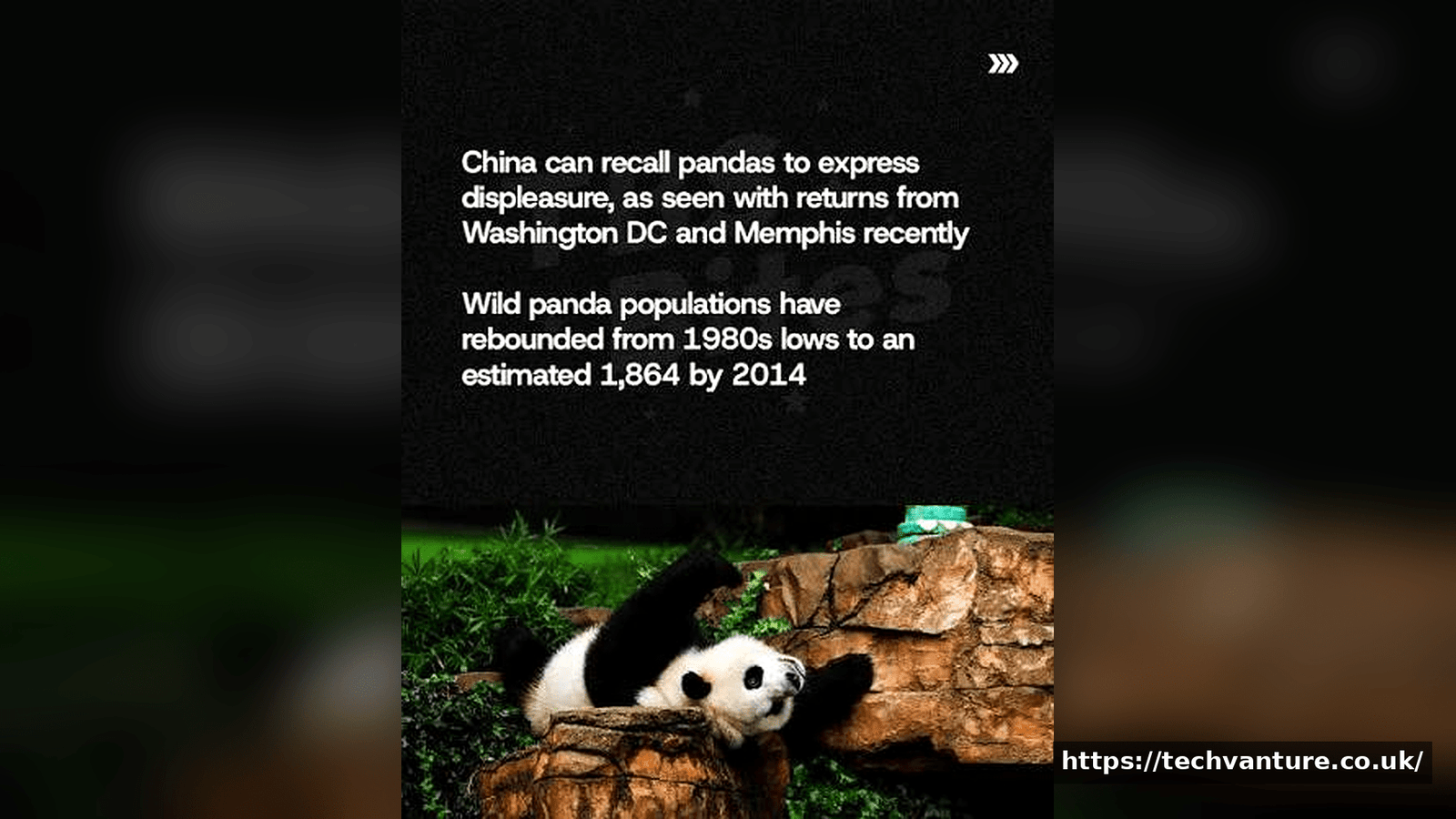
While you can’t buy a panda, you might have heard about zoos paying for them. This is a special system. It is often called “panda diplomacy.” Zoos don’t buy the pandas. They sign a loan agreement. These agreements are expensive. Some zoos pay up to one million US dollars a year to rent a pair of pandas . The money usually goes toward conservation efforts. The price is high because the risk is high. Pandas are hard to breed and expensive to feed. Zoos that host them are vetted carefully to ensure they provide good care. They must meet specific standards.
Buying a Panda vs. Symbolic Adoption
Many people confuse buying a panda with “symbolic adoption.” The organizations that say you can “adopt a panda” do not mean you can take one home. “Adoption” is just a word for a donation program . Your donation helps pay for bamboo, veterinary care, and research. The charity will send you a certificate and sometimes a plush toy . It’s a way to support conservation. You get a cute gift, and the pandas get food and medical care. It is a meaningful way to show you care about these animals. It’s a “win-win.” This is the closest you will ever get to “owning” a panda.
The Special Needs of a Panda
It is really important to understand why buying a panda is a bad idea for the animal. Pandas have a very specialized diet. They eat mostly bamboo. A single adult panda eats around 20 to 40 kilograms of bamboo every day . They eat for up to 14 hours a day. The bamboo must be fresh. You can’t just feed them grass or dog food. They also need a specific climate to survive. They are comfortable in cool mountain temperatures. They like to climb and roam across large territories. Your backyard simply cannot provide the specific environment a panda needs to survive and be happy.
What Happens in Panda Breeding Centers?
Since you can’t buy a panda, the best place to see them is in professional breeding centers. In China, places like the Chengdu Research Base work hard to breed pandas . They often have twin cubs. However, a mother panda can usually only care for one baby at a time. Keepers have to step in to help raise the other cub. They provide round-the-clock care . These centers are crucial to the survival of the species. The goal is to increase the population so that pandas can be released into the wild. It is a “behind-the-scenes” effort that saves lives.
The Importance of Habitats, Not Houses
Instead of thinking about buying a panda, we should think about protecting their home. The main threat to pandas is habitat loss . Their forest homes are being cut down for farms and buildings. This separates panda populations. It makes it hard for them to find mates. Conservation groups work to create “panda corridors.” These are connections between forests that allow pandas to move freely. They help the pandas find food and partners. By focusing on habitats, we can help wild pandas reproduce and thrive on their own. We must protect their forests so they can be free.
A Healthy Panda Population
The good news is that conservation works. Because of these strict laws and breeding programs, panda numbers are going up. In the 1980s, there were only about 1,100 pandas in the wild. Now, there are almost 1,900 . This is a big success story. The pandas were upgraded from “endangered” to “vulnerable” in 2016 . This means they are no longer on the brink of extinction. This happened because China and organizations like the WWF worked together. They invested money and resources. It shows that when we respect the laws and support conservation, we can save an iconic species.
How to Help Pandas Without Buying One
You can help the giant panda even though you can’t buy one. The best way is to donate to a reputable charity. Look for organizations like the World Wildlife Fund (WWF) or Pandas International. You can symbolically adopt a panda. This means your money goes to a good cause. You can also be a “planet-friendly” traveler. If you visit China, visit legitimate panda bases. Avoid places that let you hold or hug pandas, as this stresses the animals . You can also spread the word about panda protection. Share information about their habitat loss. Your voice makes a difference.
The Future of Giant Pandas
The future looks brighter for pandas, thanks to huge efforts like the Giant Panda National Park in China . Spanning over 27,000 square kilometers, it’s three times the size of Yellowstone . This massive protected area connects isolated groups of pandas. It gives them more space to roam and find mates. The goal is to create a sustainable, high-quality population that can thrive for generations. This shows a strong commitment from the Chinese government and conservationists. It proves that with dedicated action, we can protect our planet’s precious wildlife.
Frequently Asked Questions (FAQs)
1. Can I legally buy a panda as a pet?
No. It is illegal to buy a panda anywhere in the world. Pandas are protected by international laws and are owned by the Chinese government .
2. What is the panda “cost” if I want to buy one?
There is no purchase price for a panda. The only cost involved is for zoos, which pay up to $1 million per year to rent a panda from China . These costs are for conservation and care, not ownership.
3. Can I adopt a panda?
Yes, you can symbolically adopt a panda. This means you donate money to a conservation group. They will send you a certificate and updates, but you do not get a real panda .
4. What would happen if I tried to keep a panda?
You would face severe legal penalties. This includes heavy fines and jail time. The panda would be confiscated and taken to a professional conservation center .
5. Where do pandas live in the wild?
Giant pandas live in the mountainous regions of central China. They are found mainly in Sichuan, Shaanxi, and Gansu provinces .
6. Why is buying a panda considered a bad idea for the animal?
Pandas have very specialized needs. They eat up to 40kg of bamboo a day and need large, cool habitats. A private home cannot provide the correct diet, space, or climate for a panda to thrive .
Conclusion
The dream of buying a panda is just that: a dream. It is an impossible reality. Buying a panda is illegal and would be terrible for the animal. The key takeaway is that pandas are a shared global treasure, but they are not pets. They are a symbol of conservation. They represent the struggle to protect endangered species. Instead of trying to buy one, we should focus on helping them survive. We can donate to charities. We can adopt one symbolically. We can spread awareness. By respecting the laws and supporting conservation, we ensure that future generations can still see these magnificent bears in the wild. Share this article to help others understand why they should support panda conservation rather than dreaming of panda ownership.
